Expedition Into Darkness Party Planner
Assign clear co-op roles before you enter the ruins together.
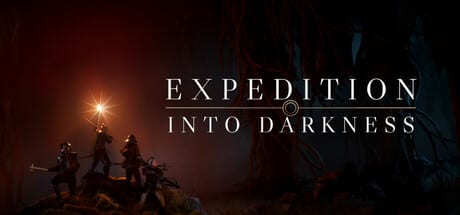
Co-op is the headline fantasy of Expedition Into Darkness: form a party with up to four allies, or dare the ruins alone. Five warm bodies without roles is still a wipe waiting to happen. This planner gives you role cards for 2–5 players, plus solo notes, so someone always owns navigation, frontline pressure, utility, loot discipline, and the extract call. Use it with the Loadout Planner and Extraction Checklist, then reinforce habits through Guides and route awareness on the Map hub.
Remember the stakes: permanent character death deletes the character and carried loot; camp stash stays safe. The game remains upcoming with a planned Q4 2026 Steam release and periodic playtests—roles below are process frameworks, not locked class names. For tone and feature overview, see the Game Overview. For test weekends, read the Playtest Guide.
Core responsibilities (every squad)
| Responsibility | Job in one line | Failure mode |
|---|---|---|
| Leader / extract caller | Sets objective and when to leave | Endless greed, no abort |
| Scout / navigator | Finds paths, marks hazards, tracks exits | Party lost in loops |
| Frontline | Holds chokes, draws melee attention | Backline swarmed |
| Support / utility | Tools, light, heals, door solutions | Soft wipes from attrition |
| Loot lead | Enforces bag priority and stash plan | Full bags, missed keys |
In small groups, players stack multiple rows. That is fine—just say the stack out loud.
Solo (1 player)
You wear every hat. Compensate with stricter rules:
- Choose a conservative run type (material farm or scout).
- Pack a melee-capable kit even if you love bows.
- Set an earlier extract threshold than a full squad would.
- Never enter a new wing at low stamina or low heals.
- After each death lesson, update your Loadout Planner notes—not your ego.
Solo is viable for learning layouts tied to Map observations, but co-op is where the design breathes.
Duo (2 players)
| Role | Player A | Player B |
|---|---|---|
| Default split | Leader + Frontline | Scout + Support + Loot lead |
| Alternate split | Leader + Scout | Frontline + Support |
| Comms rule | Call every room enter/exit | Confirm bag % every two rooms |
Duo tips: Stay within one room. One player never silent-loots while the other fights. If a revive looks dirty, abort early—two-person recoveries spiral fast.
Trio (3 players)
| Seat | Primary | Secondary |
|---|---|---|
| 1 | Leader / Frontline | Loot discipline |
| 2 | Scout / Navigator | Ranged poke |
| 3 | Support / Utility | Rear watch on extract |
Trios are the sweet spot for teaching new players: Seat 3 can overpack consumables while Seat 2 explains layouts referencing Guides habits.
Quad (4 players)
| Seat | Role | Loadout bias |
|---|---|---|
| 1 | Leader / extract caller | Reliable mid weapon, clear voice |
| 2 | Frontline | Melee pressure, denser armor |
| 3 | Scout | Light kit, tools, mapping focus |
| 4 | Support | Heals, light, trap solutions |
Loot lead can sit on Seat 1 or 4. Avoid four DPS clones. Use Builds later to diversify without inventing fake meta tiers.
Full squad (5 players)
| Seat | Role | Focus |
|---|---|---|
| 1 | Leader | Objective + extract law |
| 2 | Frontline A | Primary choke |
| 3 | Frontline B / flex | Flank cover or second melee |
| 4 | Scout | Routes, hazards, exit memory |
| 5 | Support | Consumables, revive enablement, rear guard |
Five players create traffic jams. March order matters: Scout slightly ahead, frontline at the throat of doorways, support in the middle, leader where they can see both fight and bag state. On extract, Seat 5 watches the rear while Seat 4 confirms the path.
Role cards (copy/paste)
Leader: “Objective is ___. Extract when ___. I call aborts.”
Scout: “I mark traps, gas, unstable ground, and exits. If I say hold, hold.”
Frontline: “I take space. Tell me if something flanks. I do not chase into fog.”
Support: “I track heals and tools. Ping me before you force a door or revive.”
Loot lead: “Rares and keys first. Commons only with free slots. Camp stash after extract.”
Comms script (60 seconds at camp)
- Party size and voice check.
- Run type from the Loadout Planner table.
- Role seats assigned.
- Extract rule locked.
- One backup plan if Scout goes down.
- Reminder: playtest builds may change combat timing—call what you see, not what last week’s clip showed.
Then run Phase A of the Extraction Checklist.
Conflict resolution
| Argument | Resolve by |
|---|---|
| ”One more room” vs. extract | Pre-written extract rule wins |
| Two players want the same relic | Loot lead decides; trade at camp |
| Scout and leader disagree on route | Leader owns objective; Scout owns hazard veto |
| Someone goes silent | Pause at next doorway; fix voice before advancing |
Teaching a new ally
- Send them Getting Started and System Requirements.
- Give them Support or secondary Frontline—not first-time Scout on a deep push.
- Use a teaching run type with extra consumables.
- Afterward, walk the debrief lines on the checklist page.
- Point them at Playtest Guide if you are on a limited alpha window.
Tie-ins across the wiki
- Tools Hub for all planners
- Builds for kit archetypes
- Map for spatial habits
- Updates and Release Timeline for where the project sits on the road to Q4 2026
- Game Overview for the fantasy you are coordinating around
Clear roles make expeditions feel like a crew, not a traffic accident. Assign seats, pack kits that match those seats, and let the extract call be boringly consistent. That is how camp upgrades accumulate instead of graveyards.
Frequently Asked Questions
Quick answers to the most common questions.
What is the maximum party size?
You can play solo or with up to four allies for a five-person expedition squad.
Can one player hold multiple roles?
Yes—required in duos and trios. Announce the stack so nobody assumes a missing job is covered.
Who should call extract?
The Leader seat. Debate happens at camp when you set the rule, not while a pack is spawning.
What role is best for brand-new players?
Support or secondary frontline on a teaching run, with veterans owning scout and extract calls.
Do roles replace loadout planning?
No. Assign roles first, then build kits on the Loadout Planner so gear matches the job.
Should solo players still use this page?
Yes. Use the solo section and stricter extract thresholds; co-op role cards still teach good habits.